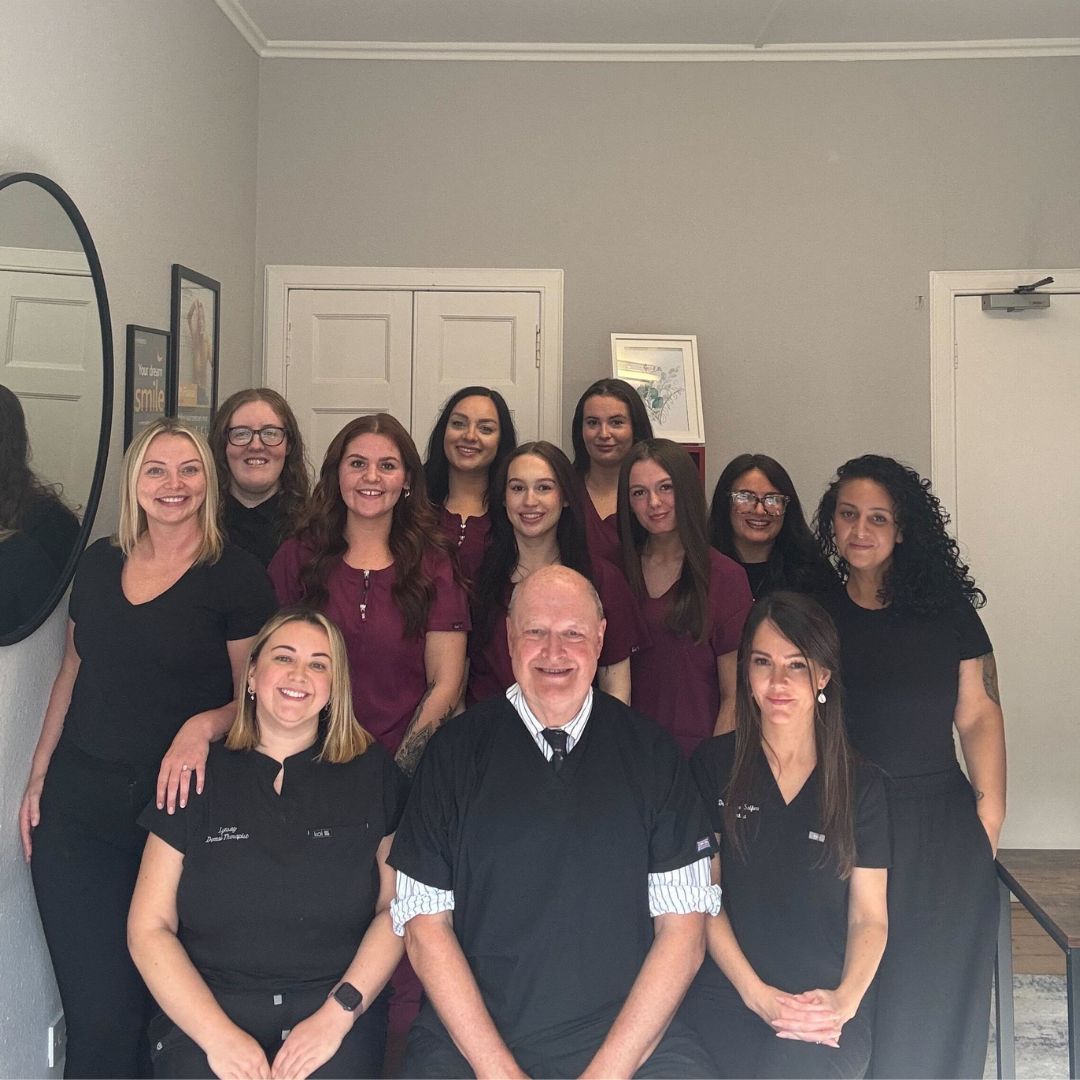
Discover the Different Types of Veneers at St Andrews Dental Care in Fife
Are you dreaming of a Hollywood smile? At St Andrews Dental Care in Fife, we help make that dream a reality through the magic of dental veneers. But here’s the thing—not all veneers are created equal. If you’re considering this life-changing cosmetic treatment, it’s important to understand your options.
In this guide, we’re diving into the different types of veneers available at our clinic, how they work, and how to choose the best one for your smile. Stick with us—we’re going to break it all down in plain, friendly English.
What Are Dental Veneers?
Let’s start at the beginning. Dental veneers are thin shells—think of them like press-on nails for your teeth—custom-made to cover the front surface of your teeth. They’re used to:
- Improve discolouration
- Fix chips or cracks
- Close gaps
- Make teeth appear straighter
At St Andrews Dental Care, we offer multiple veneer options to match your budget, lifestyle, and smile goals.
Why Choose Veneers?
We get it—there are loads of cosmetic dental options out there. So, why veneers?
Benefits of Dental Veneers
- Immediate transformation
- Natural tooth appearance
- Long-lasting results
- Minimal tooth alteration (in some types)
- Stain-resistant materials
Veneers are a fast-track to a flawless smile, and best of all, the process is usually pain-free.
Types of Veneers We Offer at St Andrews Dental Care
You might be surprised to learn that there’s more than one type of veneer. Here’s a closer look at each.
1. Porcelain Veneers (The Gold Standard)
Porcelain veneers are the go-to for a dramatic smile makeover.
Key Features
- Strong and durable
- Highly stain-resistant
- Customised for a perfect fit and shade
- Mimic natural tooth enamel beautifully
These are ideal if you’re aiming for a picture-perfect, long-lasting smile.
2. Composite Veneers (Budget-Friendly and Quick)
Composite veneers are made from a tooth-coloured resin material, sculpted directly onto your teeth.
Why Choose Composite?
- More affordable than porcelain
- Usually completed in a single visit
- Easily repairable
While they’re not as durable or stain-resistant as porcelain, they’re a great short-term or entry-level option.
3. Minimal Prep Veneers (Less Invasive, More Comfort)
Sometimes less is more. Minimal prep veneers require little to no enamel removal.
Perks of Minimal Prep
- Retain more of your natural tooth
- Less sensitivity post-treatment
- Often reversible
They’re perfect if you want a natural enhancement with less commitment.
4. Lumineers (Ultra-Thin and Reversible)
Lumineers are a brand of ultra-thin porcelain veneers that offer a non-invasive approach.
Why People Love Lumineers
- No drilling or shots in most cases
- Can be removed or replaced
- Super natural look
Think of these as contact lenses for your teeth—lightweight, subtle, and stunning.
How Do I Know Which Type Is Right for Me?
Choosing veneers is like picking out the perfect outfit—it should suit your style, comfort, and budget. Here’s a quick guide:
|
Veneer Type |
Best For |
Lifespan |
Cost Range |
|
Porcelain |
Long-term makeover |
10–15 years |
£££ |
|
Composite |
Quick fixes, budget-conscious |
5–7 years |
£ |
|
Minimal Prep |
Conservative enhancement |
10–15 years |
££ |
|
Lumineers |
Reversible, non-invasive option |
10+ years |
£££ |
Our Custom Veneer Process at St Andrews Dental Care
We don’t believe in one-size-fits-all. Your veneer journey is tailored just for you.
Step-by-Step Overview
- Consultation & Smile Design – Let’s chat about your goals.
- Tooth Preparation – Depending on the veneer type.
- Impressions & Digital Scans – Precision is key.
- Temporary Veneers (if needed) – So you’re never without a smile.
- Final Placement – Say hello to your new look!
Who Makes a Good Candidate for Veneers?
You might be a great fit if you:
- Have healthy teeth and gums
- Don’t grind your teeth excessively
- Want to improve your smile aesthetics
- Prefer a non-surgical cosmetic option
Still unsure? We offer smile consultations to walk you through it all.
How Long Do Veneers Last?
Great question! With proper care:
- Porcelain and Lumineers can last 10–15 years
- Composite tends to last 5–7 years
Just think—over a decade of confident smiles with the right maintenance.
Caring for Your Veneers
They’re low maintenance, but not no maintenance. Here’s how to keep them shining:
- Brush twice daily (non-abrasive toothpaste)
- Floss gently but regularly
- Avoid biting hard objects (ice, pens)
- Visit us twice a year for checkups
Common Myths About Veneers—Busted!
Let’s clear the air:
- ❌ Veneers look fake – False! Ours are custom-designed to blend in beautifully.
- ❌ The process is painful – Nope! Minimal discomfort at most.
- ❌ Veneers ruin your natural teeth – Wrong! Especially with minimal prep options.
Why Patients Choose St Andrews Dental Care
We’re not just here to stick veneers on teeth—we’re here to craft smiles that boost confidence and change lives.
Here’s what sets us apart:
- Decades of cosmetic expertise
- Advanced digital smile design tools
- Gentle, caring, and transparent approach
- Flexible financing options
Real Stories, Real Smiles
“I finally feel proud to show my teeth in photos!”
– Emma from Fife
“The team made the whole process stress-free and actually enjoyable.”
– James, St Andrews local
What’s Stopping You? Let’s Create Your Dream Smile
Still on the fence? Veneers can truly be life-changing. Whether you want a subtle tweak or a full transformation, we’ve got the tools, talent, and technology to make it happen.
Let’s have a chat—your perfect smile could be just a visit away.
A Smile Worth Every Penny
Dental veneers at St Andrews Dental Care in Fife offer something for everyone—whether you’re after luxury, speed, comfort, or reversibility. Each type comes with its perks, and our job is to help you pick the best one for your lifestyle and goals.
When you choose us, you’re not just getting a treatment—you’re joining a family that’s passionate about your smile.
FAQs
1. Are veneers permanent?
Porcelain and Lumineers are semi-permanent but long-lasting. Composite veneers may need more frequent replacements.
2. Can veneers be whitened?
No—veneers don’t respond to whitening. Choose your desired shade upfront.
3. Will veneers feel different?
They may feel slightly different at first, but most patients adjust quickly.
4. Do I need to replace all my teeth with veneers?
Nope! Many patients choose to veneer only the teeth that show when they smile.
5. How soon can I eat after getting veneers?
Usually right away—but avoid very hard or sticky foods for a few days.